About Messina
Messina, known as the “Gateway to Sicily”, is located on the northeastern tip of the island, facing the Strait of Messina. Founded by Greek settlers in the 8th century BC, the city has a long history marked by Byzantine, Norman, and Spanish influences, and was rebuilt after the devastating 1908 earthquake.
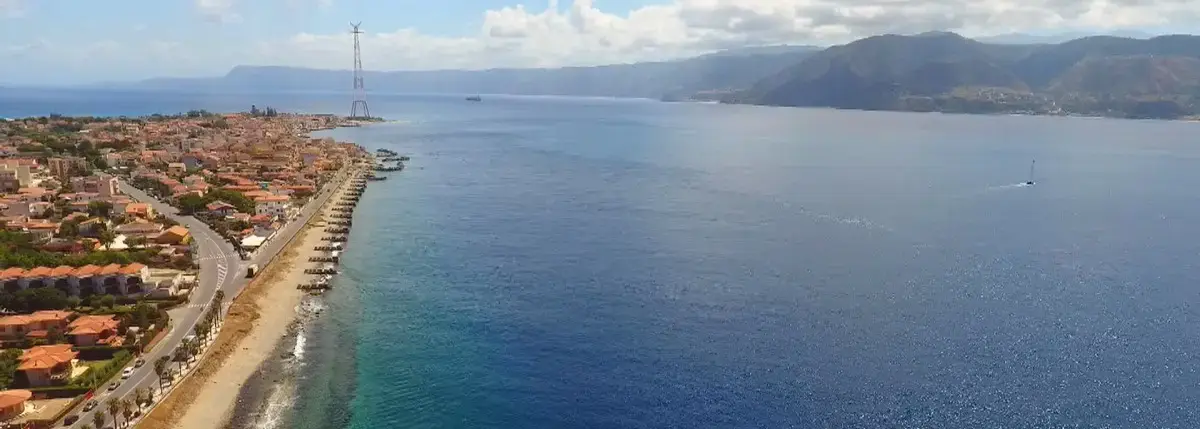
Today Messina is a lively Mediterranean city, framed by the sea and the Peloritani mountains, offering spectacular views of the Strait and Calabria just across the water.
Points of Interest:
- Cathedral of Messina and Astronomical Clock: The Norman-style cathedral, originally built in the 12th century, is the heart of the city. Its bell tower houses the largest and most complex mechanical and astronomical clock in the world, which offers a fascinating animated show every day at noon.
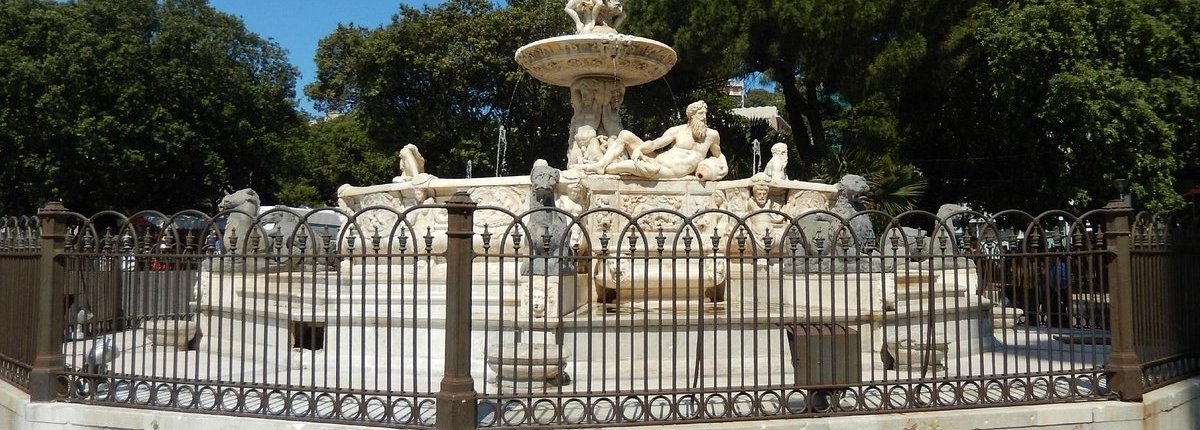
- Orion Fountain: A Renaissance masterpiece by Giovanni Angelo Montorsoli (a pupil of Michelangelo), located in Piazza Duomo, symbolizing Messina’s abundance of water.
- Church of the Annunziata dei Catalani: A rare example of Norman-Arab architecture from the 12th century, which survived the 1908 earthquake almost intact.
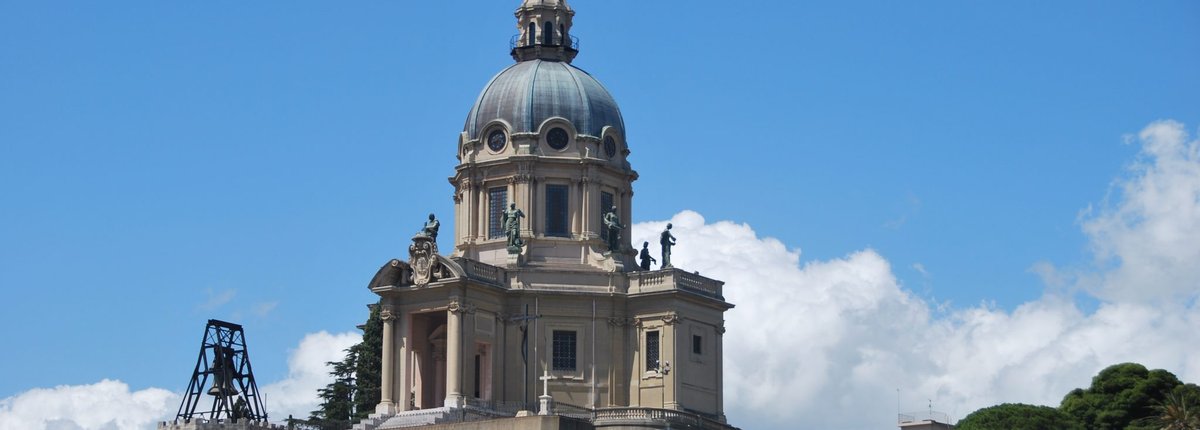
- Sanctuary of Christ the King: Located on a panoramic hill overlooking the city, it offers one of the best views of the Strait of Messina and the harbor.
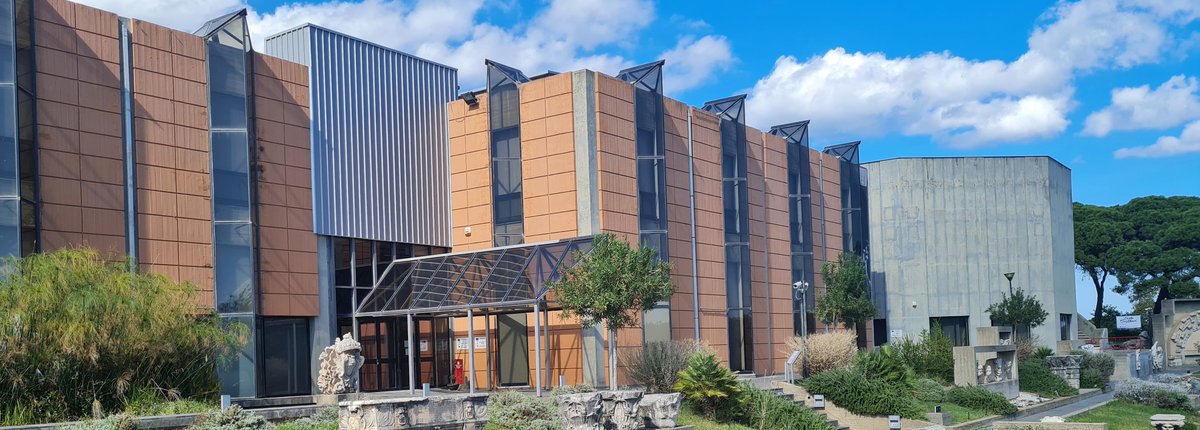
- Regional Museum of Messina (MuMe): Home to important artworks, including Caravaggio’s Adoration of the Shepherds and The Raising of Lazarus, as well as paintings by Antonello da Messina and other Sicilian masters.
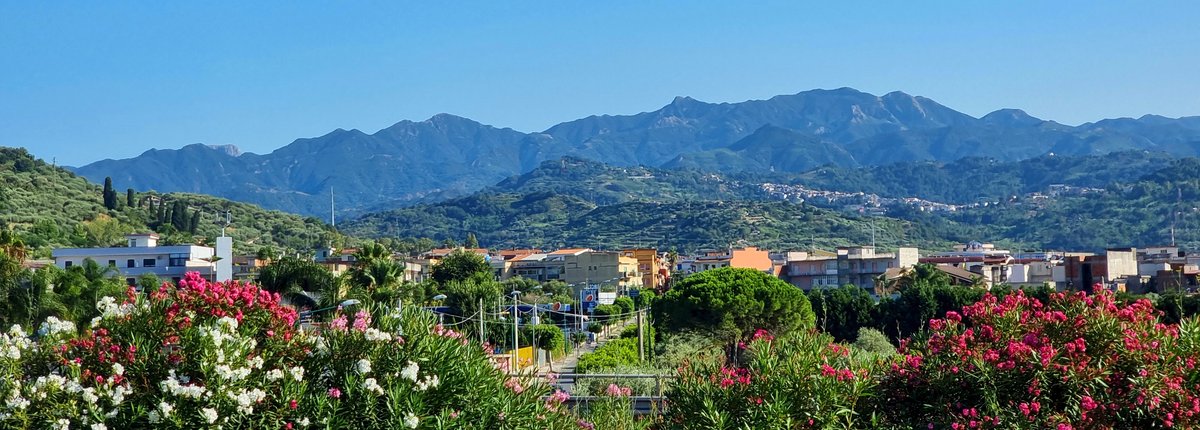
- Peloritani Mountains: The green backdrop of the city, with scenic routes and natural parks that allow excursions and breathtaking views over the Strait and the Tyrrhenian coast.
- The Strait of Messina: Famous for its mythological ties to Scylla and Charybdis, the strait offers spectacular landscapes, marine biodiversity, and the unique experience of watching Calabria appear just across the water.